New Search Playbook for 2026: SEO, AISO, and GEO Explained
For years, Search Engine Optimization (SEO) has been the backbone of digital visibility. Ranking on Google meant traffic, leads, and business growth. But in 2026, the search landscape has changed dramatically.
Today, users don’t just search on Google anymore. They ask questions to AI-powered search engines, chat assistants, voice search tools, and generative platforms that provide direct answers instead of traditional link lists.
This shift has created two new critical strategies:
AI Search Optimization (AISO) and Generative Engine Optimization (GEO).
If businesses rely only on traditional SEO in 2026, they risk losing visibility in the fastest-growing search channels.
Let’s understand why SEO alone is no longer enough and what you must do instead.
How Search Has Changed in 2026
Traditional search engines focused on ranking websites based on keywords, backlinks, and on-page optimization. But modern users now prefer conversational search experiences.
People ask AI tools questions like:
– “What’s the best CRM for small businesses?”
– “Which Shopify automation tools should I use?”
– “How can I reduce operational costs with AI?”
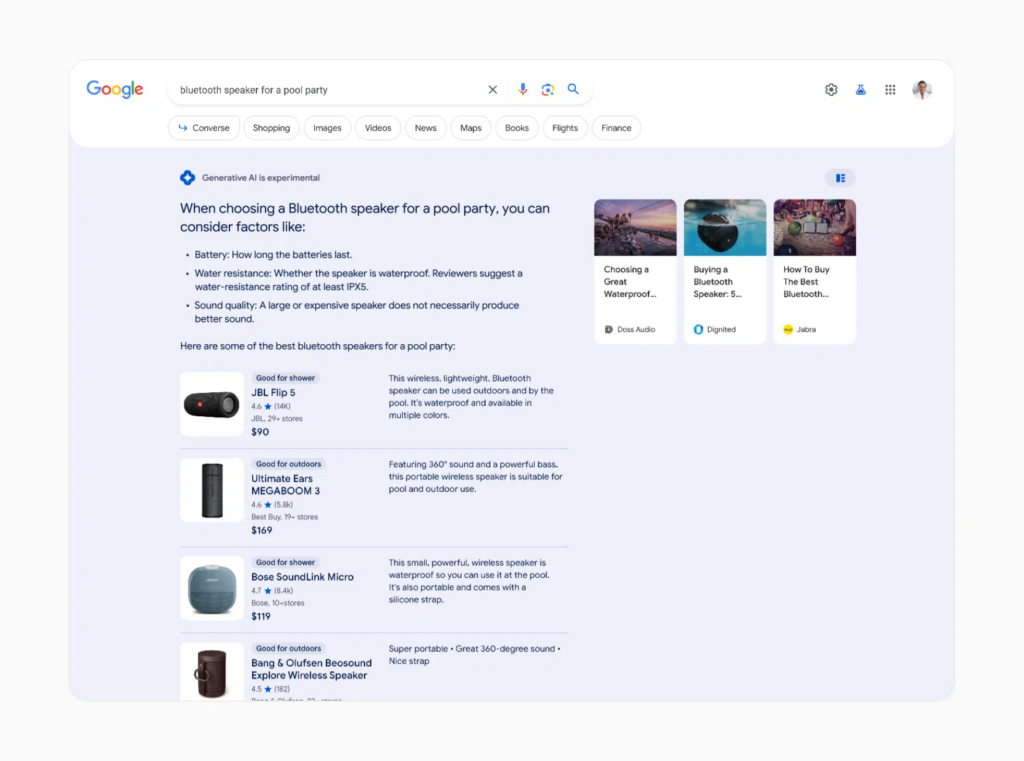
Instead of showing ten blue links, AI-powered platforms generate direct answers, summaries, and recommendations.
This changes how businesses get discovered. Visibility is no longer just about ranking, it’s about being included in AI-generated responses.
What Is AI Search Optimization (AISO)?
AI Search Optimization focuses on making your content discoverable, understandable, and usable by AI-powered search systems.
AISO ensures that your website content:
– Uses structured and semantic data
– Provides clear answers to user questions
– Follows natural language patterns
– Is optimized for conversational queries
– Builds topical authority
AI systems prefer content that is clear, well-organized, trustworthy, and context-rich. Keyword stuffing no longer works. Instead, content must deliver real value and direct answers.
AISO is about optimizing not just for algorithms, but for AI comprehension.
What Is Generative Engine Optimization (GEO)?
Generative Engine Optimization (GEO) focuses on optimizing content so that AI platforms reference, summarize, and cite your brand when generating answers.
In 2026, platforms powered by generative AI ( ChatGPT, Gemini, perplexity, grok etc. ) often pull information from authoritative websites to build their responses. If your content is structured correctly and recognized as credible, your brand becomes part of AI-generated search results.
GEO helps businesses:
– Appear in AI summaries
– Become trusted information sources
– Increase brand mentions inside AI responses
– Improve visibility beyond traditional SERPs
It’s not just about traffic anymore, it’s about brand presence inside AI ecosystems.

Why Traditional SEO Alone Is Not Enough
Traditional SEO focuses on ranking pages. But AI search engines don’t always display traditional rankings.
Here’s why relying only on SEO creates limitations:
AI tools summarize multiple sources instead of ranking one website. Voice assistants provide single answers instead of showing lists. Conversational search prioritizes context over exact keywords. AI-driven platforms value entity authority more than backlink volume.
This means businesses that optimize only for Google rankings may never appear in AI-generated answers even if they rank well.
The New SEO Stack: SEO + AISO + GEO
In 2026, smart digital strategies combine three layers:
Traditional SEO still matters for search engine rankings, organic traffic, and discoverability.
AISO ensures your content is understandable and usable by AI-powered search systems.
GEO positions your brand to be referenced and summarized by generative platforms.
Together, these create a complete search visibility ecosystem.
How Businesses Can Optimize for AISO and GEO
To succeed in AI-driven search environments, businesses must focus on content quality, structure, and authority.
Content should answer real user questions clearly and directly. Pages should use semantic HTML, structured data, FAQs, and clear headings. Brands must build topical authority by publishing in-depth content clusters instead of isolated blogs.
Trust signals also matter more than ever. Case studies, expert authorship, consistent branding, and credible external references increase the chances of being included in AI responses.
Performance also plays a role. Fast websites, mobile optimization, accessibility, and clean technical SEO remain critical foundations.
Why Businesses That Adapt Early Will Win
AI-powered search adoption is growing rapidly. Businesses that adapt early will gain long-term visibility advantages.
When your brand becomes part of AI knowledge systems, it benefits from recurring exposure without relying solely on ads or rankings. Early adopters build authority faster and become default references in their niche.
Those who delay will struggle to compete when AI-driven discovery becomes the dominant user behavior.
What This Means for Marketing Teams in 2026
Marketing teams must shift from keyword-first thinking to intent-first and knowledge-first strategies.
This means creating educational content, publishing authoritative guides, answering industry questions, and building digital credibility.
The goal is no longer just clicks, it’s visibility across AI platforms, voice search, smart assistants, and generative tools.
Conclusion: SEO Is Evolving, Not Dying
SEO is not dead in 2026, it’s evolving.
Traditional SEO still provides the foundation. But AISO and GEO now extend that foundation into AI-powered discovery channels.
Businesses that combine SEO with AI Search Optimization and Generative Engine Optimization will dominate visibility across search engines, AI assistants, and next-generation platforms.
In the new era of search, the winners will be those who optimize not only for rankings, but for intelligence, relevance, and authority.