
How to Scale Shopify Store in 2026 Without Increasing Costs
Scaling a Shopify store has never been easier and never more competitive. In 2026, ecommerce brands are no longer winning by simply increasing ad spend or hiring larger teams. The real challenge is growing revenue without increasing operational costs.
From order management and customer support to inventory tracking and marketing automation, Shopify store owners now rely on smart tools, AI-driven automation, and optimized workflows to scale efficiently.
This guide explains how you can scale your Shopify store in 2026 while keeping costs under control and profit margins healthy.
Focus on Automation Instead of Hiring
One of the biggest cost drivers for growing ecommerce businesses is hiring more staff to manage daily operations. In 2026, automation has become the smarter alternative.
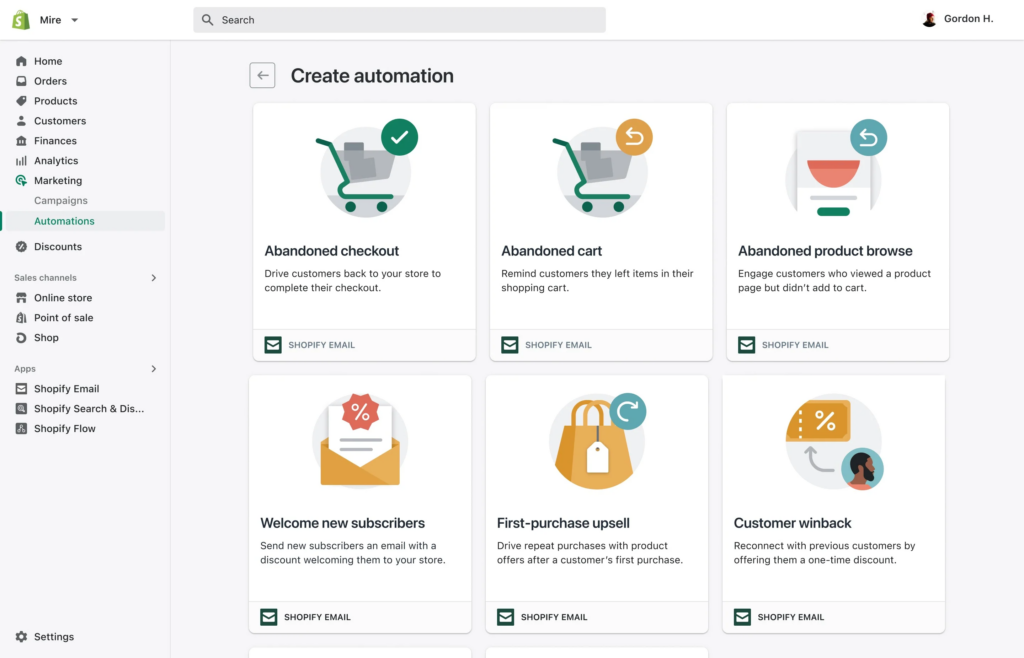
Shopify automation tools allow you to automate order processing, abandoned cart recovery, email marketing, customer notifications, fulfillment updates, and even fraud detection. Instead of expanding your operations team, you can let automated workflows handle repetitive tasks.
By reducing manual work, businesses save on salaries, training, and operational overhead while maintaining consistent performance.
Use AI-Powered Customer Support
Customer support is essential for scaling, but hiring large support teams increases expenses quickly. AI-powered chatbots and virtual assistants now handle most common customer queries such as order tracking, returns, refunds, and FAQs.
In 2026, Shopify stores use AI chat support integrated directly into their storefronts and help desks. These systems work 24/7, respond instantly, and significantly reduce ticket volume for human agents.
This improves customer satisfaction while keeping support costs low.
Optimize Inventory Management to Avoid Losses
Poor inventory management leads to overstocking, stockouts, and wasted capital. Modern Shopify inventory management tools use predictive analytics and real-time tracking to optimize stock levels.
By analyzing sales patterns, seasonality, and demand trends, businesses can forecast inventory needs more accurately. This prevents unnecessary storage costs and reduces losses caused by unsold products.
Smart inventory planning is one of the most effective ways to scale profitably.
Increase Conversion Rates Instead of Increasing Traffic
Many Shopify store owners focus on driving more traffic through paid ads. However, increasing traffic usually increases marketing costs.
A more sustainable strategy is improving conversion rates. In 2026, Shopify stores use AI-powered personalization, dynamic product recommendations, optimized checkout flows, and performance-focused design to convert more visitors into buyers.
Small improvements in conversion rates can generate significant revenue growth without spending more on ads.
Leverage Shopify Integrations and API-Based Tools
Scaling efficiently requires your Shopify store to connect seamlessly with other business systems such as CRM platforms, marketing tools, accounting software, and fulfillment partners.
API-driven integrations eliminate manual data entry and reduce errors. When systems communicate automatically, operations become faster and more reliable.
This integrated ecosystem allows businesses to scale without increasing operational complexity.
Use Data to Make Smarter Decisions
In 2026, data-driven decision-making is essential for ecommerce growth. Shopify analytics tools provide insights into customer behavior, product performance, traffic sources, and sales trends.
Instead of guessing what works, businesses use dashboards and automated reports to identify opportunities, eliminate underperforming products, and optimize marketing strategies.
Better decisions reduce waste and maximize return on investment.
Outsource Smartly Instead of Expanding Internal Teams
Not every function needs to be handled in-house. Many Shopify businesses scale faster by outsourcing technical maintenance, performance optimization, and custom development to specialized partners.
This approach reduces fixed costs while giving access to expert-level skills. Outsourcing allows store owners to focus on growth strategy instead of daily technical management.
Improve Website Performance and Mobile Experience
Website speed and mobile performance directly impact sales. In 2026, most ecommerce traffic comes from mobile devices.
Optimizing Shopify store performance through faster hosting, image optimization, clean code, and improved Core Web Vitals helps increase conversions without increasing marketing spend.
Faster stores generate more revenue from the same traffic volume.
Adopt Subscription and Retention Strategies
Acquiring new customers is more expensive than retaining existing ones. Shopify stores in 2026 focus heavily on retention strategies such as loyalty programs, email automation, personalized offers, and subscription-based products.
Recurring revenue models provide predictable income and reduce dependency on constant ad spending.
Higher customer lifetime value allows businesses to grow without increasing operational costs.
Scale Smart, Not Expensive
Scaling a Shopify store in 2026 is no longer about spending more money, it’s about working smarter.
By using automation, AI-powered tools, integrated systems, data-driven insights, and performance optimization, businesses can grow revenue while keeping operational costs stable.
The most successful Shopify brands focus on efficiency, customer experience, and long-term scalability instead of short-term expansion.
If you want to scale your Shopify store profitably in 2026, the strategy is clear: optimize first, automate second, and grow sustainably.